Why FloGrappling's WNO Has Gone Quiet, What It Means for BJJ
If you've been refreshing FloGrappling's schedule wondering where WNO went, you're not imagining things. Brazilian Jiu Jitsu's flagship pro series hasn't run an event since the end of March, and…
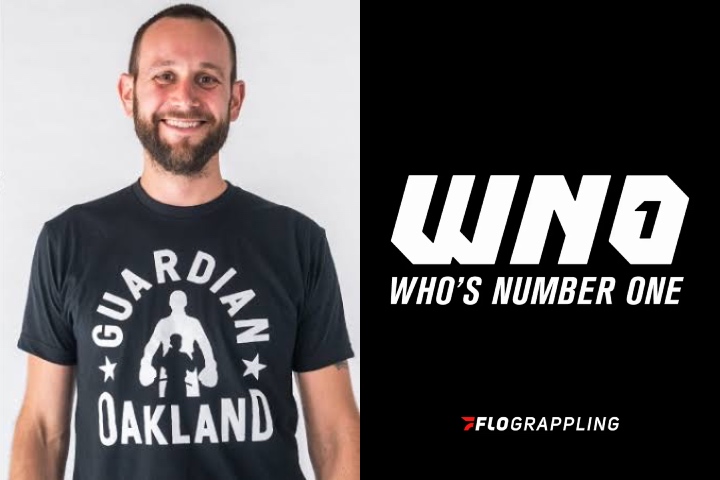
If you've been refreshing FloGrappling's schedule wondering where WNO went, you're not imagining things. Brazilian Jiu Jitsu's flagship pro series hasn't run an event since the end of March, and the silence has been loud enough that fans started building their own theories, a fallout with ONE Championship, a talent freeze, something dramatic behind the scenes. This week, FloGrappling's General Manager Ben Kovacs finally addressed it directly, and the real answer says less about any single beef and more about how crowded the sport's business has become.
Kovacs, who also founded the Guardian Jiu Jitsu nonprofit, responded on Reddit under his handle DaddyGrapple to a thread asking what happened to WNO. His explanation had two parts, and both are worth sitting with if you care about where competitive Jiu Jitsu is headed.
Too many promotions chasing the same short list of names
The first reason is simple arithmetic. A few years ago, Flo could build a card around Gordon Ryan, the Ruotolo brothers, Mica Galvao, and Jozef Chen all on the same night. That's no longer realistic without spending CJI-level money once a year, and even Craig Jones, running his own well-funded promotion, can't lock down every top athlete because so many are tied up in exclusivity deals elsewhere. As Kovacs put it, "there are so many different promotions out there, making it challenging to get many of the best stars into one single event."
Add an ADCC year to that mix, plus Polaris and BJJ Stars now competing for the same calendar windows and the same fighters, and you get a talent pool spread thinner across more events than at any point in the sport's history. That's a supply-and-demand problem that every grappling promotion is now navigating, not a WNO problem specifically, and it's arguably a sign of health: five years ago there weren't enough big stages for elite competitors to be scarce on any of them.
The athletes themselves have changed what they're chasing
The second half of Kovacs' explanation is more interesting, and more human. He argued that a lot of today's best grapplers simply aren't motivated the way competitors were a few years back. Tainan Gama, he noted, already makes strong money running his own academy and has shifted his focus toward teaching kids and IBJJF grand slam titles rather than superfight purses. Jozef Chen has said openly he doesn't love competing all that much. Levi Jones-Leary prefers not to travel to the US to compete. Others are locked into exclusive deals, or dealing with life outside the sport entirely.
"The top guys have found new ways to make a living, developed new hobbies outside of BJJ and become more selective," Kovacs wrote, according to BJJEE.
That's a meaningful shift for anyone who's watched Jiu Jitsu's pro scene evolve. A decade ago, a modest appearance fee was often enough to get the best names in the world onto a mat on short notice, because there was nowhere else for them to earn a living from the sport at that level. Now there are academies with real revenue, sponsorship deals, teaching content, and, as Kovacs points out, genuine alternatives to competing at all. Money alone doesn't move elite grapplers the way it used to, because elite grapplers have more ways to make money.
What this actually means if you train BJJ
None of this is really about WNO's survival, Kovacs wasn't announcing its death, just explaining a gap. But the bigger picture matters for anyone who trains Brazilian Jiu Jitsu, competes, or just follows the sport closely. The old model of one dominant showcase deciding "who's number one" is fading, replaced by a genuinely fragmented ecosystem: ADCC still sits at the top, but Polaris, BJJ Stars, CJI, and WNO are all drawing from the same shrinking pool of athletes willing to take fights outside their own exclusivity deals.
For competitors coming up, that fragmentation is arguably good news, more stages means more chances to get seen, even if no single event can claim to have "everyone." For fans, it means following the sport now requires tracking several promotions instead of one flagship series. And for the sport's business side, it's a sign that Jiu Jitsu has matured past the point where a single platform could simply buy the best card in the world. The top of the sport now has options, and that's a strange kind of good problem to have.
Whatever comes next for WNO, the underlying story here is a sport getting complicated in the way growing sports usually do, not decline. See you on the mats.
Original report via BJJEE.