Why BJJ Finally Got Honest About Strength Training
For a long stretch of Brazilian Jiu Jitsu's history, "technique over strength" wasn't just a coaching cue — it was a tribal identity. Helio's whole story is about the small man undoing the big one…
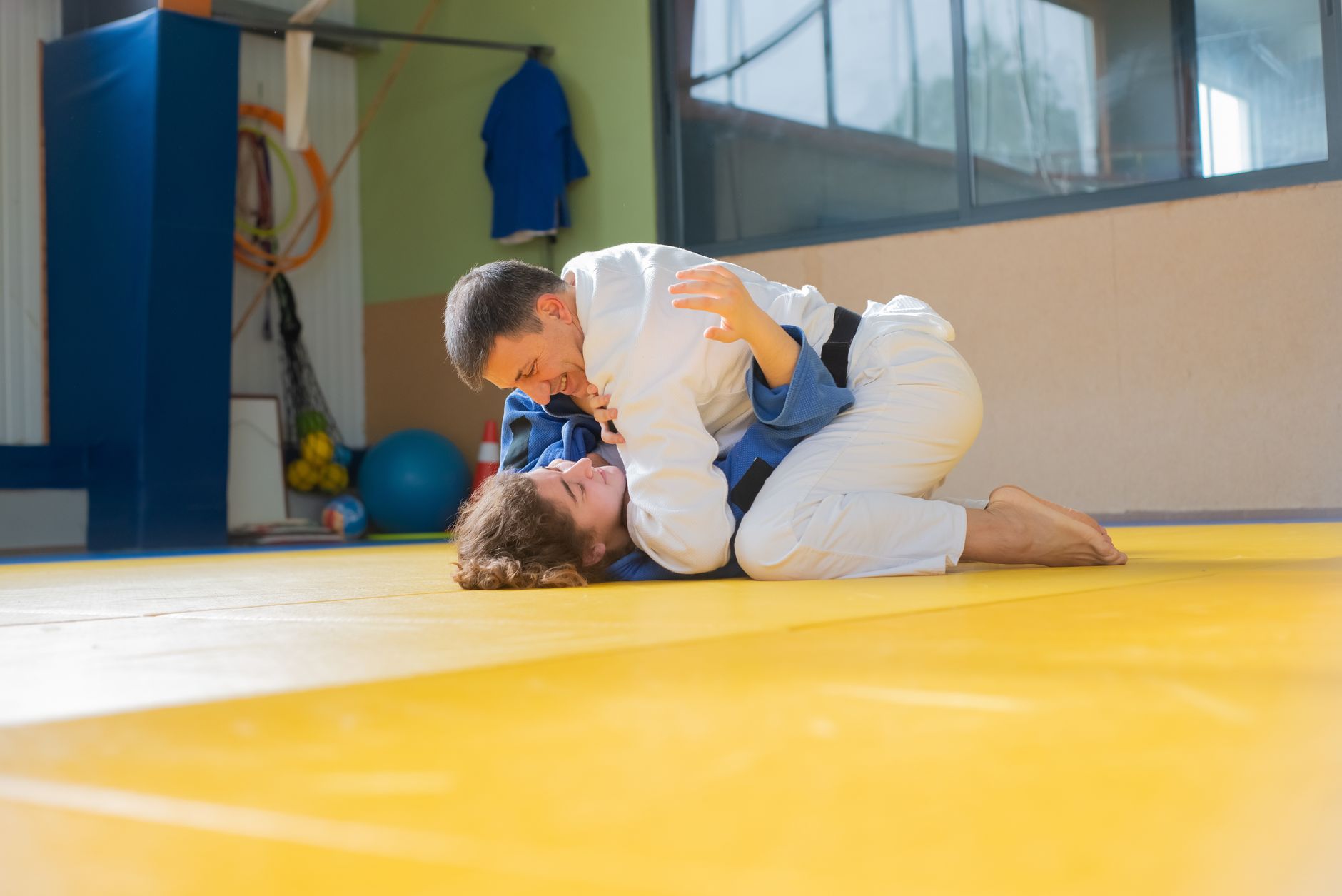
For a long stretch of Brazilian Jiu Jitsu's history, "technique over strength" wasn't just a coaching cue — it was a tribal identity. Helio's whole story is about the small man undoing the big one with leverage, and a generation of practitioners took that to mean lifting was for wrestlers and bodybuilders. The mats would do the rest.
This week BJJ Eastern Europe ran a piece on five strength exercises every BJJ athlete should add to their routine — the usual suspects: pull-ups, deadlifts, kettlebell swings, Pallof presses, Turkish get-ups. On its face, it's a straightforward gym-checklist article. But the fact that it's been making the rounds at all says something about where the sport is now. The old purist line has quietly given way to a much more honest read of what high-level Jiu Jitsu actually looks like in 2026.
What the piece actually argues
The author's framing is sensible: pick lifts that match the movement patterns BJJ already asks of you. Pulling strength for grip fights and collar drags. Lower-body power for takedowns and the hip drive under a sweep or escape. Anti-rotation core work — Pallof presses, planks — that teaches the trunk to resist getting twisted instead of just doing crunches. Two or three sessions a week, scaled back during competition prep, never lifted heavy the day before a hard roll.
There's nothing exotic in there. What's notable is that the article assumes the question has been settled — that no Jiu Jitsu athlete who reads it will push back with "but Helio said…" That assumption is recent.
Why the Jiu Jitsu strength debate quietly ended
Watch the top of the sport now and the answer is right there. Gordon Ryan has been open about a lifting block being part of every camp for years. Mikey Musumeci, who is genuinely small for the divisions he competes in, leans on disciplined strength and conditioning to hold position on opponents thirty pounds heavier. The Ruotolo brothers' scramble-heavy game runs on a base of athleticism nobody is going to mistake for accidental. The sport's most technically dazzling competitors are also, more often than not, the strongest pound-for-pound in the room.
A second thing changed: the average hobbyist's body. The community skews older than it did a decade ago — a huge slice of recreational BJJ now happens in the 35-to-55 bracket — and that demographic doesn't have the joint reserves to absorb six rolling sessions a week without help. Targeted strength work isn't a way to win the practice round any more. It's a way to still be training in five years.
The takeaway for the rest of us
If you're a busy adult who trains Jiu Jitsu two or three times a week, the piece's prescription is about right: two short, focused strength sessions, the same handful of patterns done well, and an actual rest day in there somewhere. Don't lift heavy the day before competition class. Don't try to PR a deadlift on a Friday when open mat is Saturday.
A few honest cautions, though, that the original article doesn't quite spell out. First, if you're new to lifting, get a coach for a few sessions before you let YouTube be your only teacher — the deadlift and squat are forgiving until they aren't. Second, "strength work" doesn't have to mean a barbell at all. Sandbags, kettlebells, gymnastics rings, and the basic dead-hang are all credible answers for a home setup, and a fifteen-minute kettlebell session beats a planned hour-long gym trip you never actually take. Third, no amount of pulling strength fixes a tight, panicked grip game. Train the lift, then drill the grip break.
The deeper point is the one the piece dances around: strength training stopped being a parallel hobby for jiu-jitsu players and started being part of the same project. It's not lifting or BJJ. The athletes you most want to move like are doing both, on purpose, on a schedule.
That's a healthier place for the sport to land than the old purist's gatekeep. Get strong enough to express the technique you've already worked so hard to learn. Recover well enough to keep showing up. See you on the mats.
Original report via BJJEE.