What You Do Between BJJ Sessions Decides Your Progress
Most of us measure our Brazilian Jiu Jitsu by what happens on the mat — the rounds we got, the sweep we finally hit, the tough training partner we hung with. But a thoughtful piece from BJJEE this…
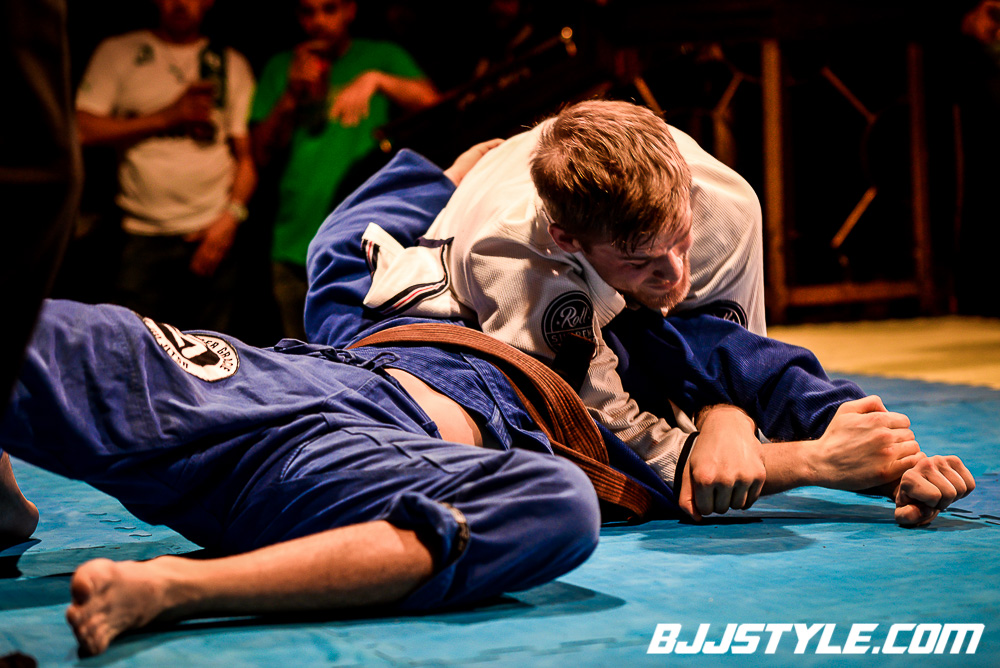
Most of us measure our Brazilian Jiu Jitsu by what happens on the mat — the rounds we got, the sweep we finally hit, the tough training partner we hung with. But a thoughtful piece from BJJEE this week makes a point every dedicated grappler should sit with: the hours between sessions quietly decide how good the next one is. Sleep, food, water, and how hard you push all add up, and they often matter more than squeezing in one more class.
Fatigue that carries over is the real problem
BJJ has a way of making being tired feel completely normal. Your forearms are cooked from gripping, your neck's a little stiff, your hips have spent the evening in strange places. A bit of soreness after a hard session isn't a problem on its own — that's just training. The trouble starts when the fatigue never quite clears, and you drag Monday's tiredness into Wednesday's class, and Wednesday's into Friday's.
Here's the thing most of us miss: those "rest" days between classes aren't empty. There's work, family, maybe strength training, maybe a bad night's sleep. So by the time you step back on the mat, the load you're carrying isn't just from Jiu Jitsu — it's everything life piled on in between. That's why simply adding more mat time isn't always the answer to getting better. Sometimes it's the opposite of what you need.
Not every round has to be a war
One of the smartest observations in the original article is about intensity. Some rounds just naturally turn into a battle — you get paired with someone your size who won't give an inch, and a normal Wednesday suddenly feels like a tournament final. That's fine now and then. But if every round is approached that way, it gets very hard to sustain, and the fatigue piles up fast.
Varying your pace is a skill in itself. If you train several times a week, you don't need to treat every session like the world championships. Some nights are for hard rolls. Others are better spent drilling, working a specific position, or rolling light enough that you can actually notice what's happening and learn from it. Even the greats know this — the piece points to Roger Gracie's view that arriving fresh enough to genuinely learn can matter more than piling up days on the mat. Training often and testing yourself to the limit every time are two different things.
Keep recovery simple
There's a trap waiting on the other side of this, though: turning recovery into its own exhausting to-do list. Stretch, foam roll, mobility, supplements, heat, cold, an easy cardio session — before long your "rest" day has a busier schedule than your training day. That's not rest.
The honest hierarchy is much less exciting than the gadgets social media wants to sell you. Start with the basics: eat enough for the amount of work you're doing, drink back the fluids you sweated out, and get proper sleep. If your body feels beaten up, a gentle walk or a little mobility work is often plenty. The fancier tools — cold plunges, saunas, massage guns — can have a place if you genuinely enjoy them and they fit your routine. But no recovery toy on earth can undo consistently sleeping five hours, under-eating, or treating every open mat like a cage fight. Use a tool because it serves what you're trying to do, not because another grappler online has an elaborate routine.
Learn to read your own signals
One rough class doesn't tell you much — everyone has an off night. Several rough classes in a row is worth paying attention to. If your normal rounds suddenly feel much harder, small aches aren't settling between sessions, your grip fades early, or you just stop looking forward to training, those are signals, not character flaws.
The fix is usually small and unglamorous. Take an easier night. Drop an extra conditioning session. Get one proper night of sleep. More often than we'd like to admit, a day away from hard rolling does more for the next session than forcing another hour onto the weekly total. Jiu Jitsu rewards consistency — but consistency doesn't mean maximum effort every single time you step on the mat.
The long game
It helps to remember that today's session sits inside a much longer process. The taps, the sweeps, the hard rounds all matter, but they're single data points in a journey measured in years. If you want to keep improving in BJJ, give the space between classes the same respect you give the mat. Eat, sleep, manage the hard sessions, recover in whatever simple way actually fits your life.
The goal was never to build the most impressive recovery routine. It's just to come back to the mat in a state where you can train well again — tonight, next week, and ten years from now. See you on the mats.
Original report via BJJEE.