The First Berimbolo Video and the BJJ Guard It Created
The first berimbolo video we ever ran stopped BJJ practitioners mid-scroll — not because it was the first inversion ever filmed, but because nobody training Jiu Jitsu at the time had a name for…
Words: Jiu Jitsu Style
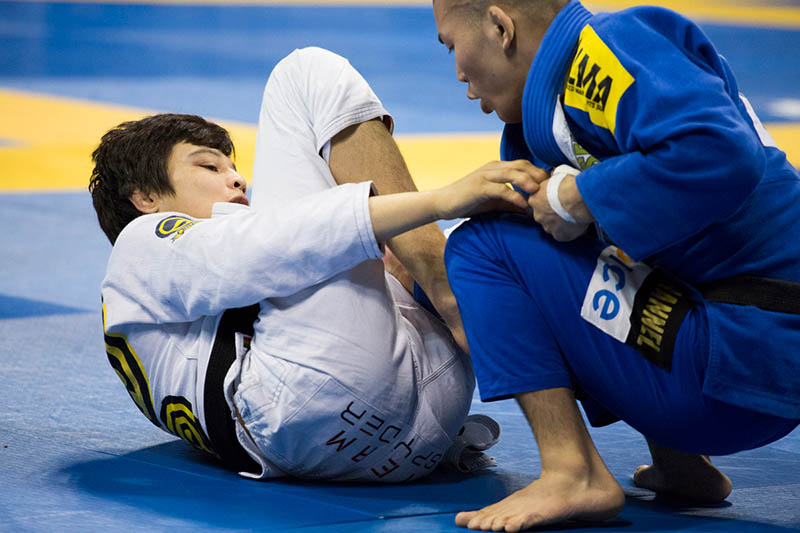
The first berimbolo video stopped BJJ practitioners mid-scroll, less for being the first inversion ever filmed than because nobody training Jiu Jitsu at the time had a name for what they were watching. A guard player takes a De La Riva hook, disappears underneath their opponent, and comes up on the back like they'd teleported there. No warning, no obvious setup, no category in anyone's mental library of positions. Just a spin that ended with someone's belt on the mat and someone else's collar in a stranglehold.
A Guard Nobody Had a Name For Yet
Nobody at the time could tell you exactly who threw the first one or where the word came from. It just spread through gyms faster than any coach could explain it. That's usually how the strange stuff arrives in Jiu Jitsu. It doesn't get introduced with a lesson plan; it shows up on a highlight reel, looking half like a mistake, and the rest of the room spends the next six months arguing about whether it's actually good or just lucky.
The berimbolo copped both reactions in equal measure. Old-school competitors called it a stalling tactic dressed up as offense, a way to burn the clock while looking busy. The players doing it kept winning anyway, and eventually winning is the only argument that matters on a scoreboard.
From Curiosity to Core BJJ Curriculum
What actually settled the argument was the next decade of competition. The Miyao brothers built an entire career on it and turned "getting berimbolo'd" into a rite of passage for anyone who rolled with them. The Mendes brothers folded it into a broader guard system that top competitors are still borrowing from today. What started as one bewildering clip became a fixture of modern Brazilian Jiu Jitsu: taught in fundamentals classes, drilled by white belts, and running underneath the guard game of nearly every elite competitor on the circuit, from the Ruotolo brothers to Mikey Musumeci.
The bigger shift is in how that knowledge travels. Back in 2017, a clip like this one was often the only exposure most people got: a single video, watched a dozen times, reverse-engineered on the mats with a training partner who was just as confused as you were. Now the same technique is broken down frame by frame on YouTube, taught step-by-step inside instructional apps, and drilled in seminars by the athletes who perfected it. Ffion Davies can show you her entries in more detail in one video than this entire old clip contained. The information got better. The lesson underneath it didn't change at all.
Why the Old Clip Still Matters
Every gym has a version of that first berimbolo video running right now: some technique the purple belts are experimenting with that the old guard rolls their eyes at, right up until it starts winning matches. That's worth remembering the next time something in your own room looks more like showing off than Jiu Jitsu. The berimbolo looked exactly like that once. So did the guillotine, the first time somebody hit it off their back instead of standing.
Stay curious about the weird stuff. Drill it before you dismiss it. The move nobody could name in 2017 is on every serious BJJ curriculum in 2026, and the next one is already out there, waiting for someone to film it.
See you on the mats.
Originally published in Jiu Jitsu Style, 26 July 2017. Refreshed for 2026.