Roger Gracie's Kneebar Defence: A BJJ Breakdown
Back in September 2017 we posted a clip of Roger Gracie showing a kneebar defence he swore by — "this kneebar defence never fails me" — and pointed everyone toward his instructional site,…
Words: Jiu Jitsu Style
Back in September 2017 we posted a clip of Roger Gracie showing a kneebar defence he swore by — "this kneebar defence never fails me" — and pointed everyone toward his instructional site, rogergracietv.com. No write-up was needed, because in Jiu Jitsu circles nobody needed telling who they were watching. Nine years on, Roger has settled into life as a coach and commentator, the leg-lock game has exploded across the whole sport, and this quiet piece of defence has only grown more useful. The greatest gi competitor in BJJ history teaching you how to stay safe when your leg is in trouble is exactly the kind of clip worth keeping.
Why Leg-Lock Defence Belongs in Every BJJ Game
When Roger filmed this, leg locks were still treated by a lot of gi players as something that happened to other people. That world is gone. The heel hook and the kneebar sit at the centre of modern grappling now, and even a dedicated gi competitor has to know how to survive a leg entanglement. What makes the clip so valuable is who's teaching it. Roger built a Hall of Fame career on positional control and calm, and he brings that same temperament to defence — no panic, no frantic yanking, just the right small movements done early. The lesson underneath the technique is the one that matters most in Jiu Jitsu: the best time to defend a submission is before it's finished, not after.
The Mechanics of Roger Gracie's Kneebar Escape
A kneebar finishes when your opponent traps your leg, pins your knee to a hinge, and extends your hip while your heel points to the sky. So the defence works backwards from that. The first job is the knee line — keeping the trapped leg bent and your knee glued to their body so they never get the straight lever they need. The second is the hip: turning it so the pressure slides off the joint instead of stacking onto it. Roger's answer, like everything he taught, is built on doing the boring thing early — clear the danger to the knee, turn into the attacker rather than away, and free the leg before the finishing angle ever arrives. Once the leg is bent and your hip has turned in, the kneebar has nothing to straighten, and you can start working back to a safe position.
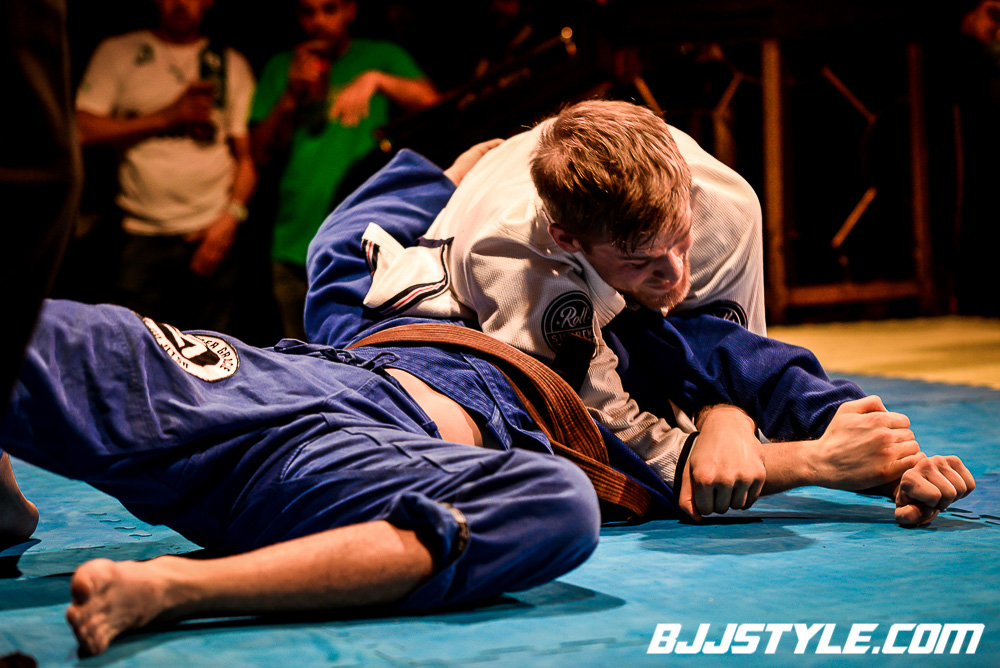
Watch Roger Gracie's Kneebar Defence
Roger shared the defence on his own Instagram, pointing followers to the full breakdown on his instructional platform.
Watch Roger Gracie's kneebar defence
If the original clip has slipped offline in the years since, the principle behind it is everywhere his students teach — protect the knee line, turn the hip, and get the leg back before the finish.
Why It Still Matters in Modern Jiu Jitsu
If anything, this old clip is more relevant now than the day it went up. Leg entanglements are part of every serious grappler's week, and the athletes leading the sport — the leg-lock specialists lighting up the nogi circuit, and gi hunters like Mikey Musumeci who attack the legs with real menace — have only raised the stakes on knowing how to defend. The tools have multiplied since 2017, but the fundamentals Roger shows haven't changed at all. Keep the knee bent, turn the hip, defend early, and stay calm. Learn to be hard to submit and you earn the freedom to attack — which is about the most Roger Gracie lesson there is in all of Brazilian Jiu Jitsu.
See you on the mats.
Originally published in Jiu Jitsu Style, 27 September 2017. Refreshed for 2026.