Reilly Bodycomb's BJJ Heel Hook Escape
[Watch Reilly Bodycomb's heel hook escape on YouTube](https://www.youtube.com/watch?v=YonuLE8AvvI)
Words: Jiu Jitsu Style
Watch Reilly Bodycomb's heel hook escape on YouTube
Heel hooks are all the rage, don't you know? When we first ran this clip in September 2015, that line was half a joke and half a warning — the BJJ world was waking up to the leg game and most academies still hadn't decided whether they were allowed to talk about it. Our note at the time was three sentences long: heel hooks are everywhere, so we'd best start learning how to defend them, and here were some great tips from Polaris Pro 2 athlete Reilly Bodycomb. Eleven years on, that small bit of housekeeping reads like the most useful advice on the page.
What makes Bodycomb the right man to be teaching the escape, rather than the entry, is where he came from. Long before the Danaher Death Squad turned leg locks into a Jiu Jitsu marketing engine, Bodycomb was a sambo-rooted no-gi specialist quietly teaching Westerners how the lower body actually works — how the heel hook breaks, which way the knee can't go, and therefore where the danger is and where it isn't. He didn't treat the position as a dark art. He treated it as geometry. That's exactly the mindset you want from the person showing you how to get out.
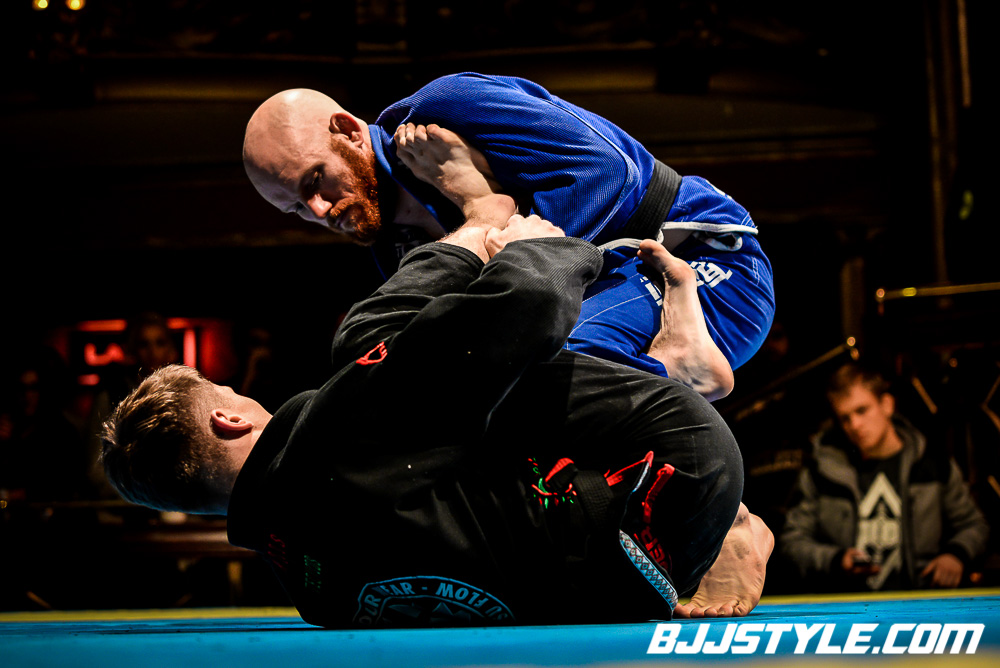
The escape itself follows the logic every good leg-lock defender eventually arrives at: you don't out-muscle a heel hook, you beat the clock and the rotation. The hold finishes when your opponent controls your heel and starts to turn it — so the defence is to deny the heel and kill the rotation before the entanglement is finished. Hide the foot, clear your knee line to the safe side, and spin in the same direction as the lock so the joint never loads. Bodycomb's drilling here is all about feeling that half-beat early, tapping to position long before you'd ever tap to pain, and understanding that the first second of the entanglement is where the escape lives. Miss it and you're negotiating with a finished hold.
Roll the tape forward to 2026 and the argument the original four sentences hinted at is long settled. Heel hooks are legal where it counts, ADCC podiums are decided by inside sankakus, and Gordon Ryan, Craig Jones, the Ruotolo brothers, Lachlan Giles and Mikey Musumeci have spent a decade reminding everyone what the leg game looks like at the top. The IBJJF finally opened the door at brown and black belt no-gi. Every serious BJJ Fanatics instructional and every leg-lock module on the apps now opens, sensibly, with defence. The wild part is how little Bodycomb's escape has had to change — the same hide-the-foot, kill-the-rotation answer he was teaching on this clip is still the answer a modern black belt gives.
For the rest of us in a gi or a rash guard, the lesson is the timeless one, and it's the reason we ran the clip in the first place. You learn to defend the heel hook before you learn to hunt it — not after. Find a training partner who respects the knee, drill the entries and the exits slowly, and tap early and often while you're learning where the edge is. The leg game stopped being exotic years ago. Knowing how to get your foot back is still what separates the people who get tapped by trends from the people who train around them.
See you on the mats.
Originally published on Jiu Jitsu Style, 2 September 2015. Refreshed for 2026.