Preventing & Escaping Leg Attacks in BJJ
Back in September 2016 we put a feature on preventing and escaping leg attacks in issue 34 of Jiu Jitsu Style — and at the time, plenty of the BJJ world thought we were covering a niche. Leg locks…
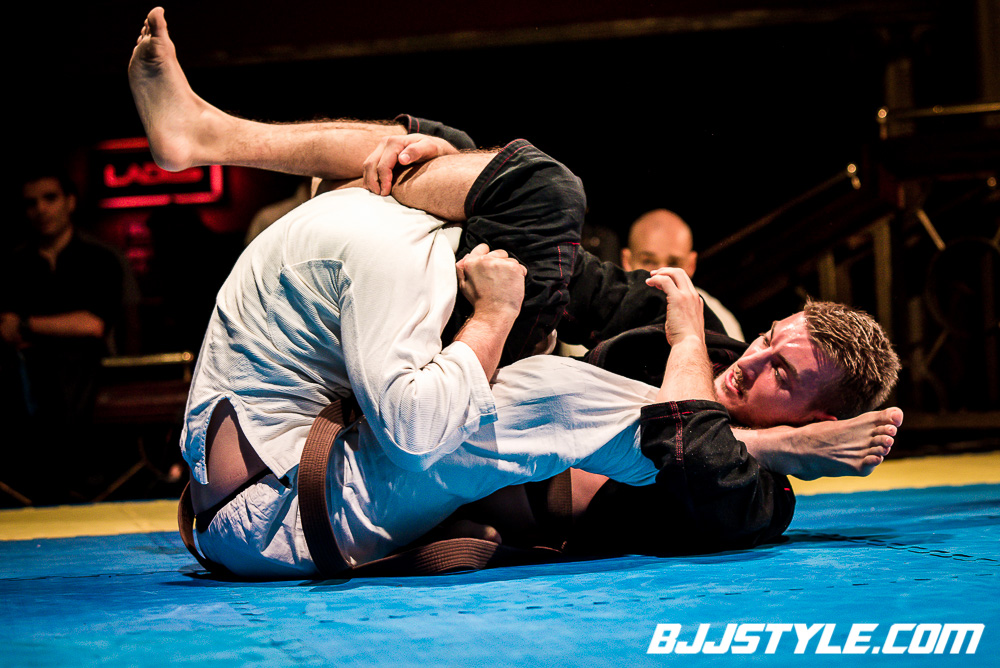
Words: Jiu Jitsu Style
Back in September 2016 we put a feature on preventing and escaping leg attacks in issue 34 of Jiu Jitsu Style, and at the time, plenty of the BJJ world thought we were covering a niche. Leg locks were still the sport's awkward subject. Reading that cover line back from 2026, it looks less like a niche and more like a warning shot.
When Jiu Jitsu still feared the leg lock
Cast your mind back to what the mats looked like in 2016. In most gi academies, the straight footlock was the only leg attack anyone drilled with a straight face, heel hooks were spoken about the way sailors talk about storms, and a good chunk of upper belts had simply opted out of the whole lower half of the body. Dean Lister's famous question, why would you ignore fifty per cent of the human body?, was already doing the rounds, and John Danaher's squad was already turning it into a system in a New York basement, but the average club player still treated a kneebar like a rumour. Defense, where it was taught at all, usually amounted to "don't sit in fifty-fifty" and hope.
That was exactly why prevention and escapes needed a feature of their own. You can refuse to play the leg game; you cannot refuse to have legs.
The leg attack era arrived anyway
A decade on, the argument has been settled in the most public way possible. Lachlan Giles heel-hooked his way through the absolute division at ADCC and made the whole world download a leg lock instructional. Gordon Ryan turned entanglements into the cleanest endgame in no-gi. Craig Jones built a career, and then an entire event, on the entries. The IBJJF finally legalised heel hooks and reaping in no-gi at the higher belts, Mikey Musumeci made the footlock a headline act, and heel hooks now finish fights in the UFC on a regular basis. Every serious Brazilian Jiu Jitsu curriculum, every BJJ Fanatics bestseller list, every kids' competition rule-set debate, the leg game runs through all of it.
Which means the 2016 question has flipped. It's no longer "should you learn leg attacks?" It's "how are you still training without learning to survive them?"
Preventing and escaping leg attacks in 2026
The good news is that the principles haven't moved, and they're the same ones every good coach hammers today. Prevention starts before the entanglement: respect the positions that feed the legs, keep your feet out of lazy range when you pass, and recognize entries, a sneaky ashi garami arrives long before the ankle grip does. If you do get caught, the worst response is still the panicked spin; blind scrambling is how knees get hurt. Learn the control positions from the attacking side, because you cannot escape a position you don't understand. Clear the knee line early, hide the heel, address the entanglement before you address the submission. And when a heel hook is genuinely in, tap. Early, flat-handed, without ego. No training-room escape is worth six months off the mats.
Ten years ago, learning this was a way to get ahead of the curve. In 2026, it's simply part of speaking fluent Jiu Jitsu.
See you on the mats.
Originally published in Jiu Jitsu Style magazine, September 2016. Refreshed for 2026.