Lucas Leite's BJJ Half Guard Study
When Jiu Jitsu Style first posted this Lucas Leite study in October 2016, half guard was arguably the most contested piece of real estate in BJJ, and Leite was one of the players everyone pointed…
Words: Jiu Jitsu Style
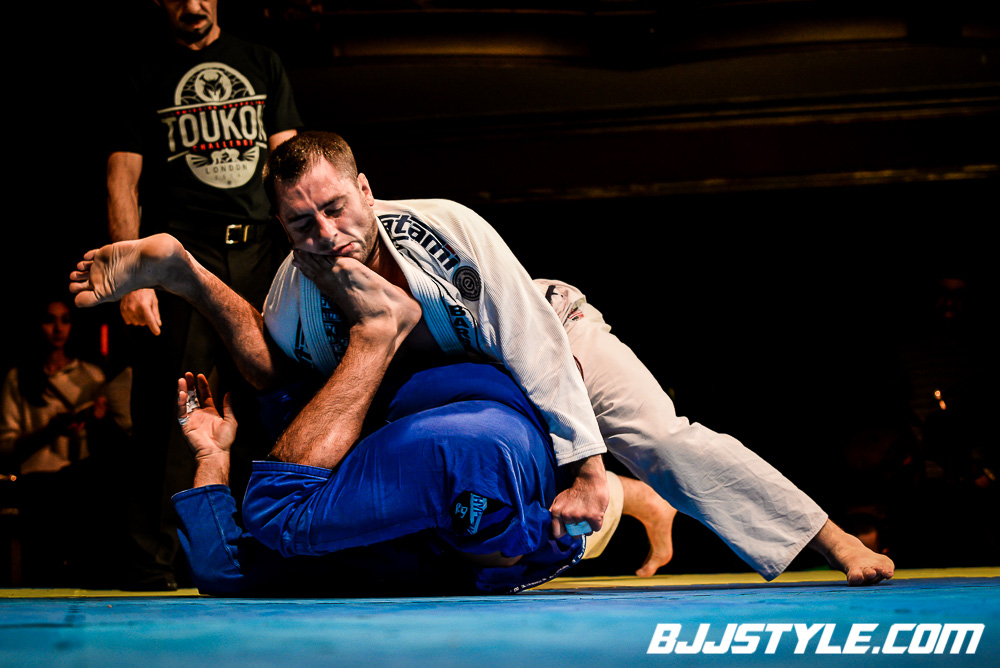
When Jiu Jitsu Style first posted this Lucas Leite study in October 2016, half guard was arguably the most contested piece of real estate in BJJ, and Leite was one of the players everyone pointed to when they wanted to see it done properly. The Checkmat black belt had spent years building a bottom game that didn't just survive underneath a bigger, heavier passer, it made staying there look like the smart option. The clip we ran was a study rather than a single trick: a walk through the frames, grips and timing that let Leite live in half guard on his own terms instead of scrambling to escape it.
Watch it: Lucas Leite's coyote half guard.
What made Leite's half guard worth studying was the order of operations. Most white and blue belts learn half guard as a last resort, a place you end up when your closed guard gets passed, and a place you try to leave as fast as possible. Leite treated it the other way around. Control came first: the underhook, the frame across the far hip, the knee shield keeping distance between his sternum and his opponent's crossface. Only once that control was in place did the sweep or the back take become the point. It's the same control-first principle that made Checkmat's half guard game so respected, trap the leg, deny the pass, and make the top player earn every inch before you go looking for the finish.
Why half guard is still a cornerstone of BJJ
A decade on, half guard hasn't lost any of its relevance, if anything, the position has multiplied. In the gi, you'll still see Leite's control-first approach in any high-level Jiu Jitsu match where the bottom player refuses to be flattened out. In no-gi, half guard turned into the doorway to the modern leg-lock game, with players sliding from a knee shield straight into ashi garami the moment the top player overcommits. Watch Mikey Musumeci retain from underneath, or Tainan Dalpra reset into a knee-shield half guard as a default rather than a last resort, and you're looking at the same priorities Leite was teaching in this clip: control the distance, control the leg, and only then decide whether the day calls for a sweep, a back take, or a leg attack. Ffion Davies plays a similar frame-first game whenever a bigger opponent tries to stack her from the top.
Leite himself kept teaching this material long after the clip aired, and Checkmat's half guard reputation has only grown, you'll find seminars, YouTube breakdowns and full instructionals from the team's black belts covering the same lockdown-rooted concepts, updated for whatever the current no-gi ruleset rewards. The tools changed. The underlying jiu jitsu didn't need to.
What the rest of us can take to the mats
The temptation with any half guard study is to chase the sweep at the end and skip the boring part that makes it work. Resist that. Spend a round doing nothing but building the frame, underhook in, knee shield up, hips off the mat, against a partner who's actively trying to flatten you out. Don't sweep. Just survive on your terms for the whole round. Once that control stops feeling urgent and starts feeling automatic, the sweeps Leite was demonstrating will show up on their own, because you'll finally have the position they're supposed to come from.
Half guard rewards patience more than almost any other position in BJJ. Leite's study is a decade old and the lesson hasn't dated a day: control the leg and the hip before you worry about anything else.
See you on the mats.
Originally published in Jiu Jitsu Style, 17 October 2016. Refreshed for 2026.