Buchecha's Half Guard Sweep: A BJJ Breakdown
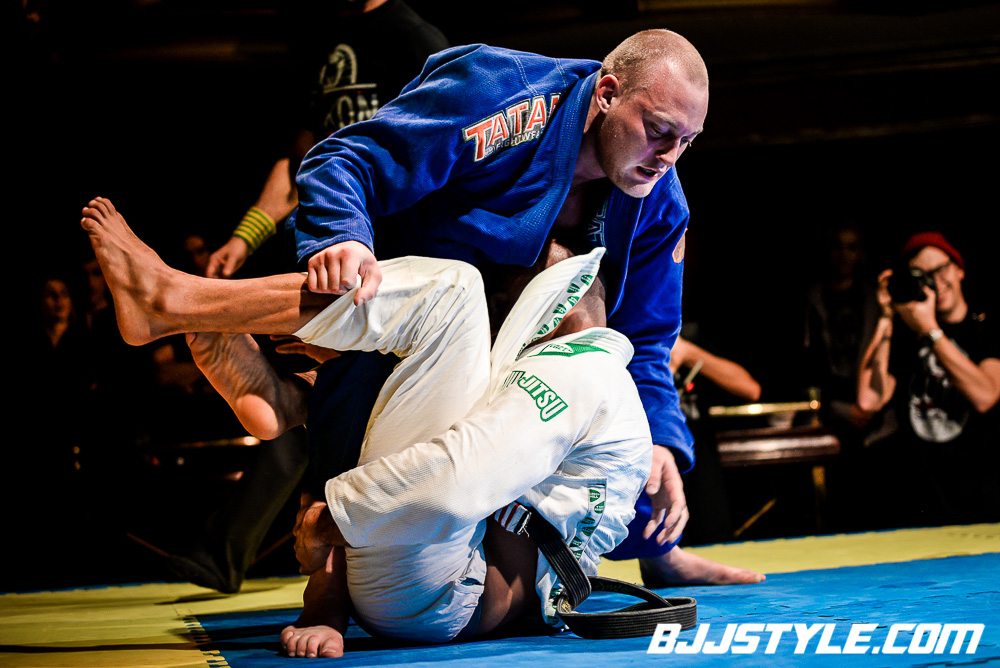
When this ran in April 2017, the whole post was a single photo of Marcus "Buchecha" Almeida mid-sweep — no caption, because in BJJ circles his name was the caption. You looked at the picture, you…
Words: Jiu Jitsu Style
When this ran in April 2017, the whole post was a single photo of Marcus "Buchecha" Almeida mid-sweep — no caption, because in BJJ circles his name was the caption. You looked at the picture, you recognised the position, and you were expected to fill in the rest yourself. Nine years on, the man has gone from stacking IBJJF absolute titles to a full-time MMA career, but the half guard problem he was solving in that photo is one every grappler still runs into on a Tuesday night, and the answer hasn't dated a day.
Why the Half Guard Sweep Still Belongs in Your BJJ
Half guard gets a bad name because most people only experience it from underneath, getting flattened out and squashed. That's a failure of the position, not the position itself. Buchecha's whole career argued the opposite case: half guard, played correctly, is one of the best sweeping platforms in Jiu Jitsu, because it hides so much offence behind what looks like a stalling posture. The knee shield that keeps your opponent's hips away from you doubles as the frame you off-balance them with. The underhook you fight for to survive the pass is the same underhook that turns their base into your sweep.
That's what made it such a natural weapon for a man his size. Buchecha didn't need half guard to save him — he was already the strongest heavyweight in most rooms. He used it because it's efficient: control first, then let your opponent's own forward pressure do the work of falling over.
The Mechanics Behind the Sweep
Strip the name off the photo and the lesson is pure fundamentals. Before anything else, win the underhook — without it, you're not sweeping, you're just surviving. Keep a knee shield or frame in place so your opponent can't flatten your hips before you've finished setting up. Then, instead of muscling them off balance, wait for them to post weight forward to try to pass, and use that exact moment to break their base: pull the underhook side in, elevate through their far hip or knee, and follow them up to the top rather than yanking them over.
The sweep dies the moment it becomes a strength contest. It works because the passer's own pressure is what tips them, not because the guy underneath is bigger. That's the part of Buchecha's game that translates to literally anyone, at any size, on any given night of BJJ training.
Drilling It So It Actually Shows Up When You Roll
Old-school half guard has a reputation for being slow to learn because most people drill it backwards — they practice the sweep in isolation and never drill the control that has to come before it. Flip that. Spend real time just fighting for the underhook and the frame against a partner who's actively trying to pass, and don't let yourself chase the sweep until that control is automatic. Once it is, add the finish: have your partner post forward on purpose, and practice catching that exact moment instead of forcing your own entry.
Half guard has only gotten more sophisticated since 2017 — modern competitors run whole systems out of it, and a lot of the current wave of BJJ instructionals on apps and YouTube treat it as a passing and sweeping hub rather than a defensive last resort. None of that changes what Buchecha was showing back then. It just means there's no excuse left for treating half guard as a place you survive instead of a place you attack from.
See you on the mats.
Originally published on Jiu Jitsu Style, 8 April 2017. Refreshed for 2026.